
What We Saw at the ADC Toxicity Summit in 2025?
As ADCs advance across new targets, payloads, and indications, the opportunity to redefine how we predict, prevent, and manage toxicity has never been greater. Rather than seeing toxicity as a barrier, today’s leading drug developers are using it as a springboard to improve preclinical modelling, patient selection, ADC design, and clinical decision-making.
The 3rd ADC Toxicity Summit was the only industry-led meeting dedicated to advancing ADC safety by connecting toxicologists, pharmacologists, translational scientists, and clinical developers to turn toxicology insight into therapeutic advantage.
With insights from influential leaders such as AbbVie, AstraZeneca, Daiichi Sankyo, Genentech, Iksuda, J&J, MacroGenics and more, this was your opportunity for in-depth discussions and world class presentations on maximizing the translational relevance of in vivo and in vitro studies, mitigating toxicities to extend clinical dose escalations, optimizing dosing regimens, navigating regulatory expectations for toxicity models and more…
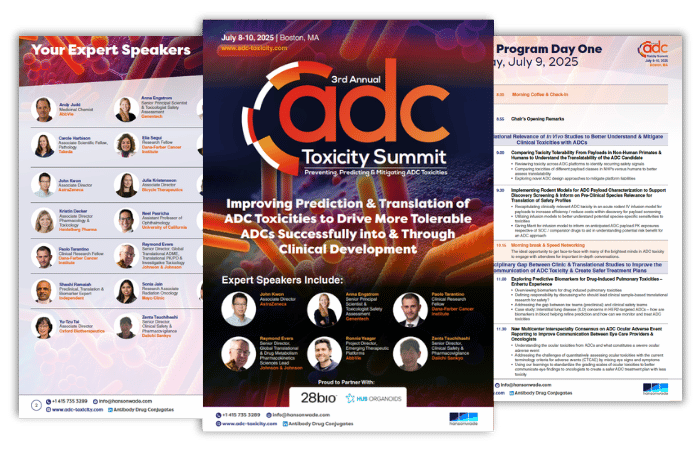
Explore the 2025 Full Event Guide
- Preclinical and clinical insights to optimize the communication and translation of your findings from in vitro and in vivo through to the clinic and back
- 20+ expert speakers who spoke at the event, sharing their expertise in toxicology, preclinical and translational sciences, and more!
- World-class insights on toxicities such as ocular, liver, and lung toxicity
- Share easily with colleagues and decision-makers to mobilize interest
Top Takeaways:
Evaluate the emerging ADC designs and how you can leverage ADME characterization of linker payloads to minimize toxicity with Iksuda and Johnson & Johnson
Maximize the translational relevance of in vivo models such as rodent IV infusion models for increased efficiency and reduced costs with AbbVie and MacroGenics
Overcome the limitations of in vitro and preclinical models with targeted delivery, patient-derived xenograft (PDX) models, and the use of computational modelling with AI with AbbVie, AstraZeneca, and Mayo Clinic
Gain invaluable insights into optimizing ADC dosing by tackling dose-limiting toxicities early in development with Takeda and Heidelberg Pharma
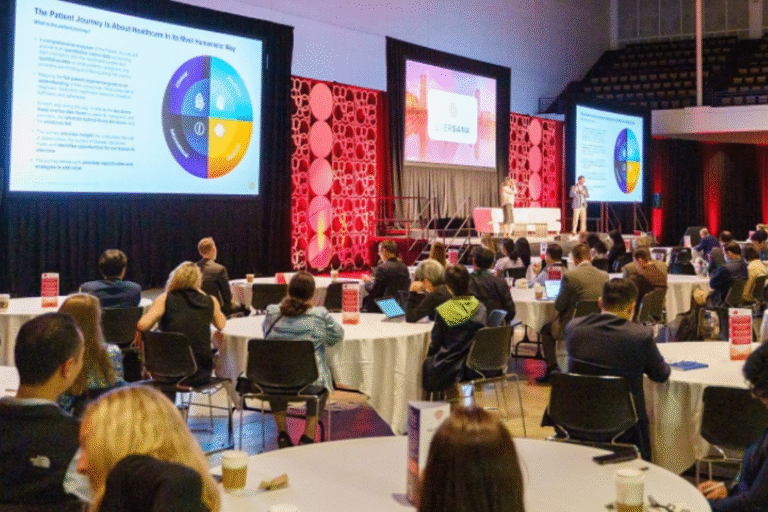
Explore the Agenda
Hear the latest industry breakthroughs and gain exclusive insights during our packed agenda, interactive roundtables, and panel discussions.
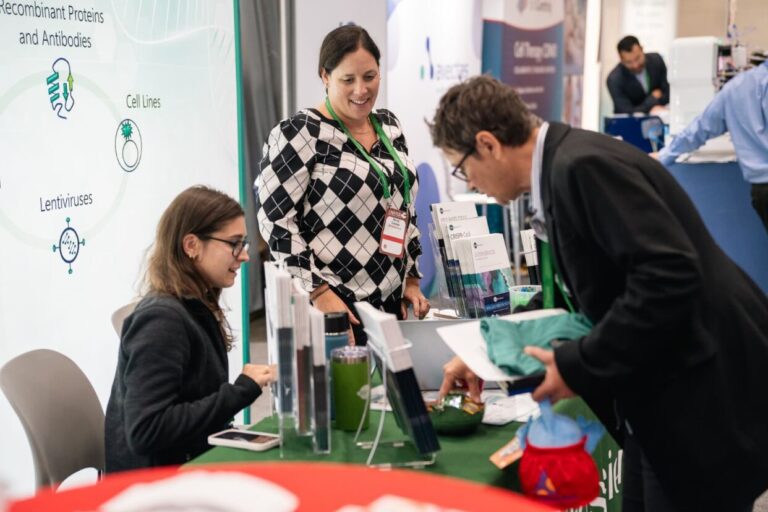
Partner With Us
Position yourself alongside other leading solution providers to ensure your brand is at the heart of biopharma deals.
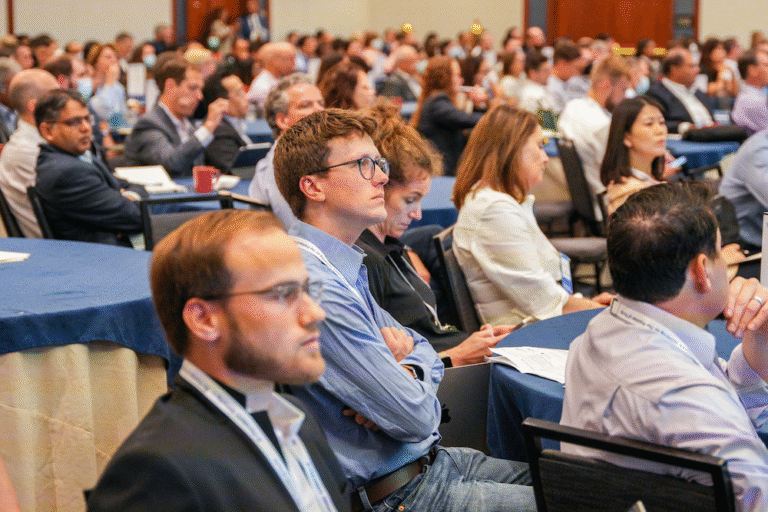
Join Biopharma Experts
Be part of the hottest conversations with like-minded attendees spanning all stages of drug development and make critical connections during our dedicated networking sessions.