
What to Expect at the 4th ADC Toxicity Summit?
The ADC Toxicity Summit is designed to equip toxicology, translational, preclinical, and clinical teams with the strategies needed to predict, prevent, and mitigate ADC toxicities across development.
Join toxicologists, pharmacologists, translational scientists, clinicians, and safety leaders for three days of deep technical discussion focused on improving ADC tolerability, strengthening translational safety assessment, and accelerating safer clinical development.
This year’s agenda tackles the field’s most urgent challenges, including understanding the mechanisms driving ILD, ocular, neurologic, and off-target toxicities, improving translation from preclinical models to patients, and optimizing dose selection in line with evolving regulatory expectations.
You will gain practical guidance on leveraging advanced in vitro and in vivo models, translational biomarkers, computational toxicology, PK/PD strategies, and FDA New Approach Methodologies (NAMs) to de-risk candidate selection and improve patient safety outcomes.
With expert-led case studies, interactive panel discussions, and focused workshops, this summit provides the scientific and translational insights needed to evaluate next-generation ADC modalities, strengthen regulatory confidence, and confidently advance safer, more tolerable ADC programs into the clinic.
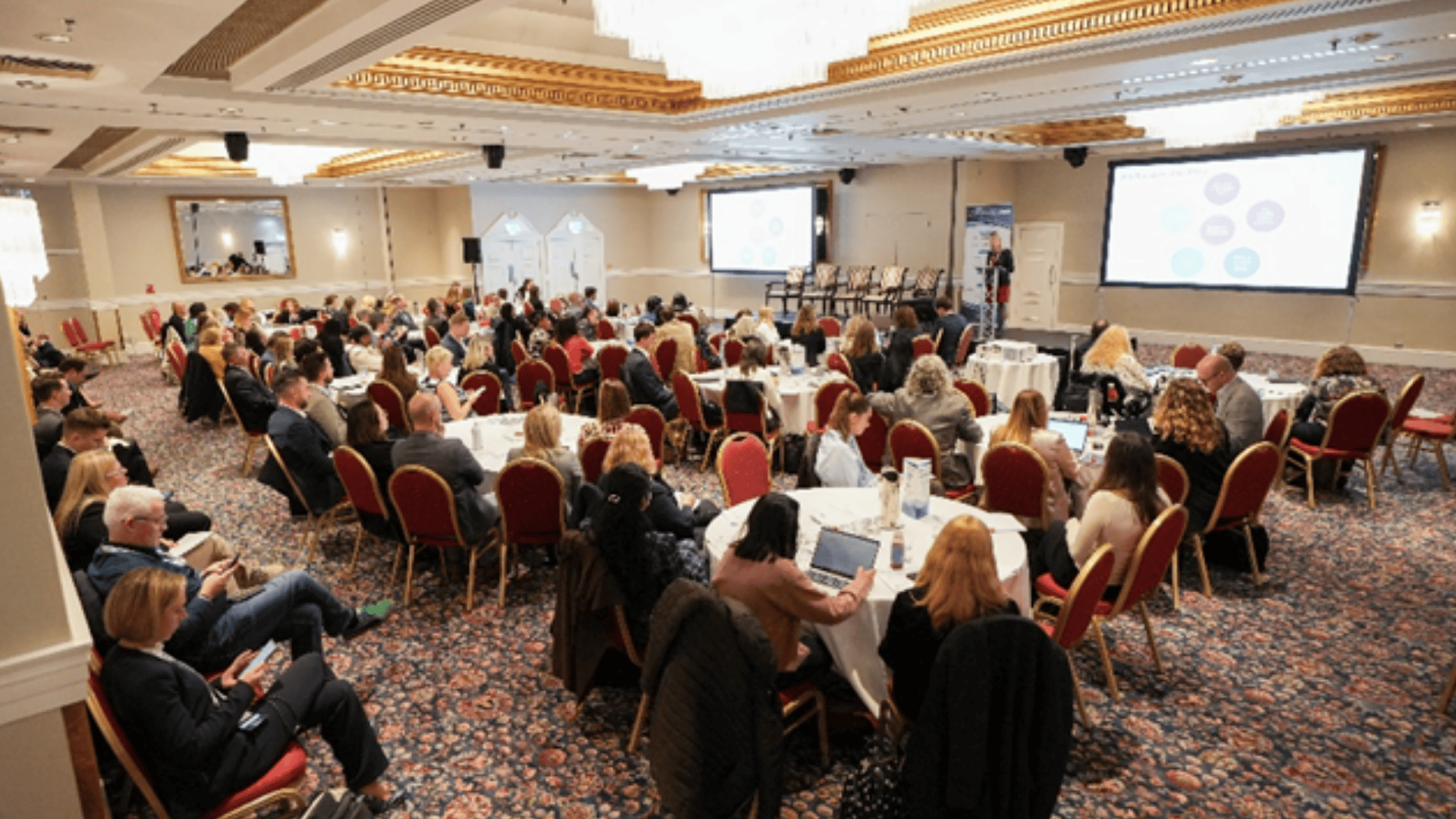
What to Expect?
Advancing Predictive Toxicology to Improve Clinical Translation
As ADC developers face increasing pressure to better predict patient risk earlier in development, this session explores how advanced in vitro and in vivo systems, organoids, computational toxicology, and translational biomarkers can strengthen preclinical confidence and improve translation into the clinic. Learn how industry leaders are integrating innovative safety assessment strategies to reduce late-stage failures and de-risk next-generation ADC programs.
Tackling the Mechanisms Driving ADC Toxicities
From ILD and ocular toxicities to neurologic and off-target adverse events, understanding the biological mechanisms driving ADC toxicity remains critical for improving patient outcomes. This discussion will explore the latest clinical learnings, translational insights, and mitigation strategies shaping safer ADC development and smarter dose optimization approaches.
De-Risking Next-Generation ADC Modalities
As the field evolves toward dual-payload ADCs, bispecifics, and novel linker-payload systems, safety assessment frameworks must evolve alongside them. This session examines how companies are adapting toxicology and translational strategies to evaluate increasingly complex ADC modalities while balancing efficacy, tolerability, and manufacturability.
Navigating Evolving Regulatory Expectations for ADC Safety
With increasing FDA focus on Project Optimus, dose optimization, and New Approach Methodologies (NAMs), ADC developers must rethink how they generate and communicate safety data. This session will unpack evolving regulatory expectations and explore practical strategies for building regulator-ready safety packages that accelerate clinical confidence and improve patient safety outcomes.
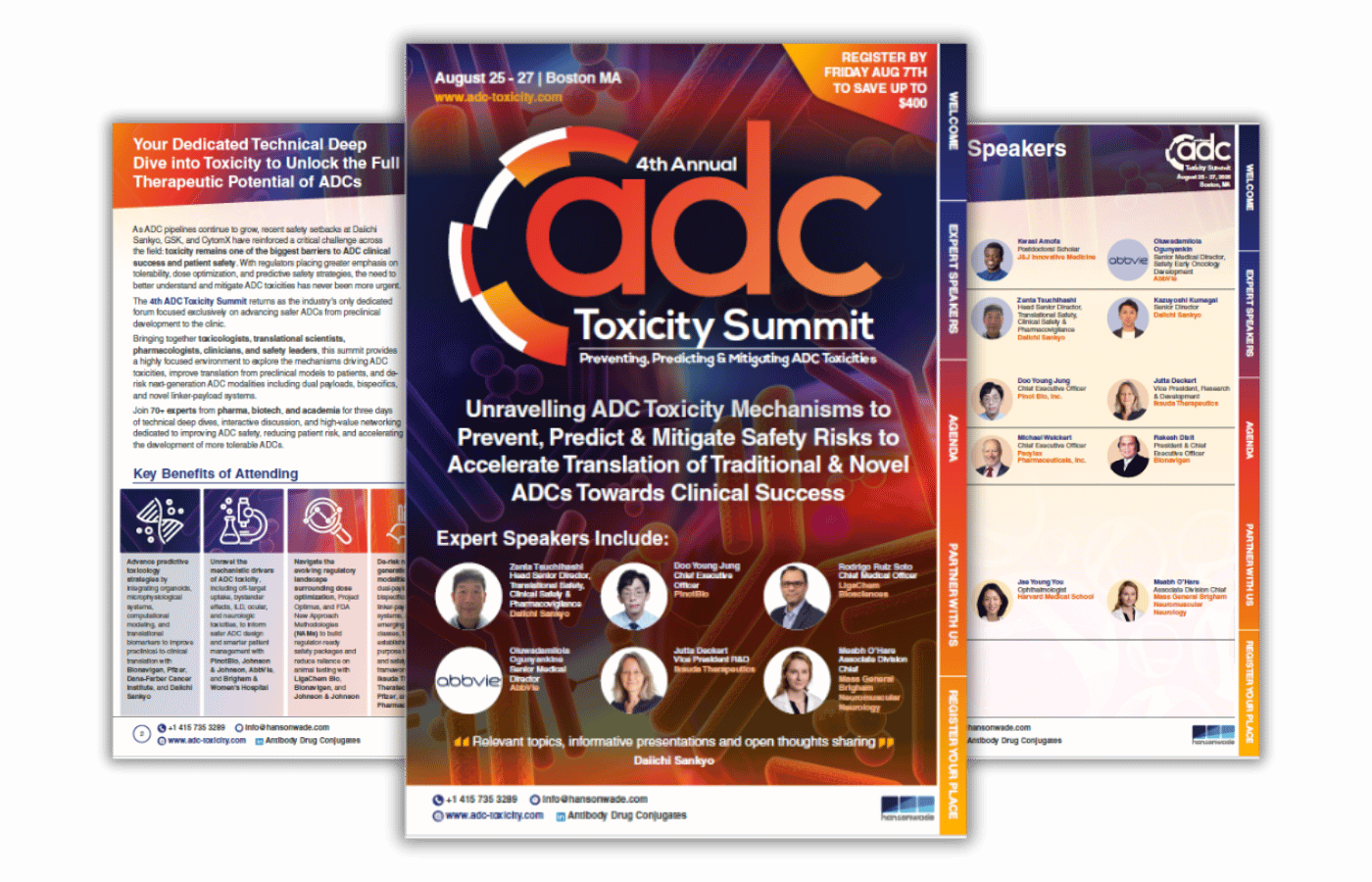
Explore the Full 2026 Event Guide
- Explore fresh scientific perspectives with 88% new speakers and 50% new companies joining the summit in 2026
- Learn directly from senior ADC decision-makers, with a speaker faculty made up of 25% C-level and 56% VP/Director-level experts
- Build meaningful connections through 10+ hours of dedicated networking, interactive discussion, and collaborative debate
- Take part in 2 hands-on workshops designed to tackle translational safety challenges and toxicity mitigation strategies
New Companies For 2026:


Explore the Agenda
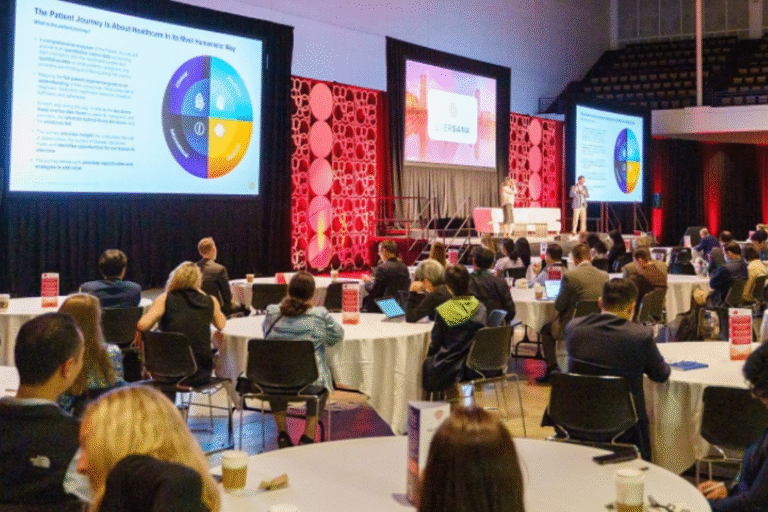
Hear the latest industry breakthroughs and gain exclusive insights during our packed agenda, interactive roundtables, and panel discussions.
Partner With Us
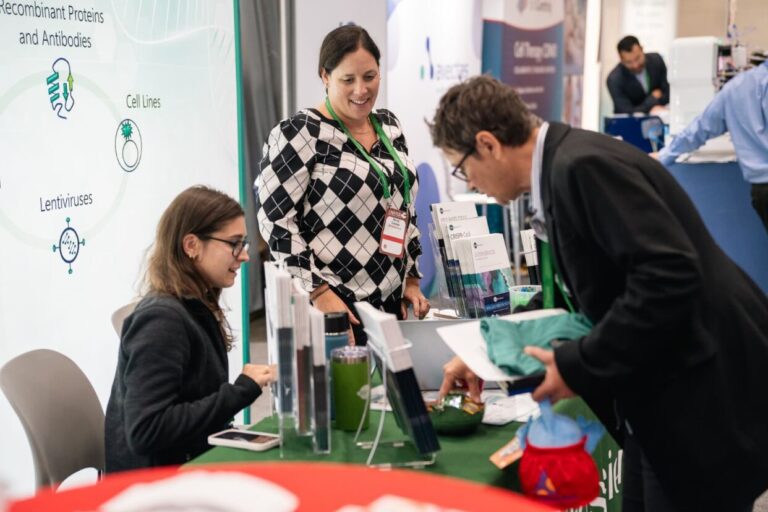
Showcase your toxicology, translational, and safety solutions directly to ADC leaders actively seeking partners to de-risk clinical development.
Join Biopharma Experts
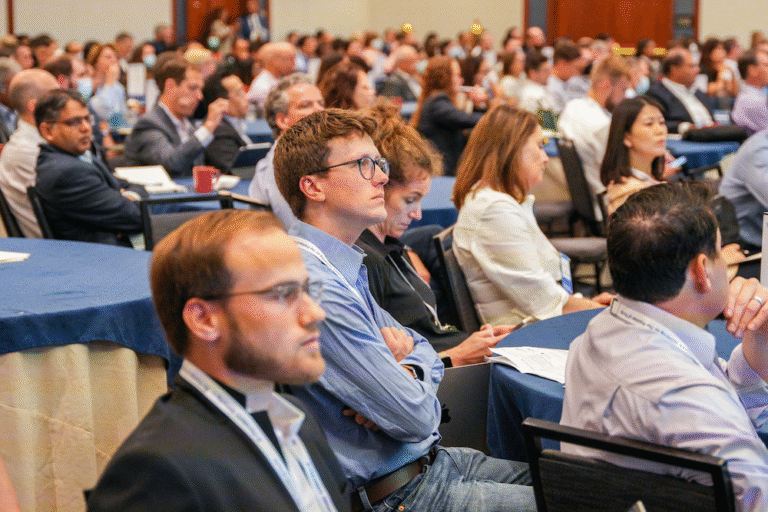
Connect with toxicologists, translational scientists, clinicians, and pharmacologists shaping the future of safer, more tolerable ADCs.